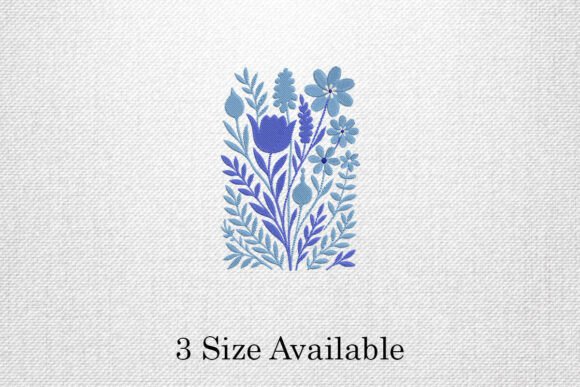
Floral Bouquet Machine Embroidery File Review
As a designer who has spent years navigating the delicate balance between digital files and physical thread, I approach every new machine embroidery design with a critical eye. When I first opened the Floral Bouquet Machine Embroidery File, my immediate goal was to determine if this asset would elevate a client's project or create a headache in the hoop. In the world of custom apparel and handmade goods, the difference between a stunning finish and a tangled mess often comes down to the quality of the source file. This review breaks down how this specific design performs in real-world scenarios, moving beyond marketing fluff to practical application.
First Impressions: Mood and Composition
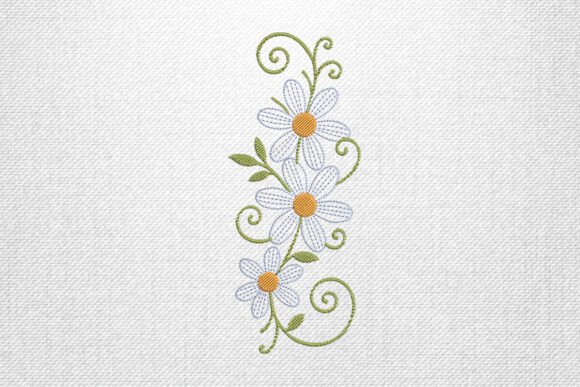
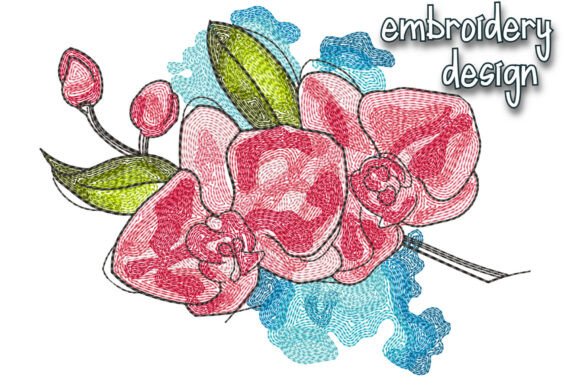
The visual personality of the Floral Bouquet Machine Embroidery File is immediately apparent. It captures the essence of nature without feeling cluttered. Unlike some generic Single Flowers that look stiff or overly geometric, this bouquet flows with an organic rhythm. The layout suggests a natural arrangement, making it ideal for projects where you want to evoke a sense of freshness and elegance. The level of detail strikes a careful balance; there are enough elements to create depth through fill stitch and texture, but not so many that the design becomes impossible to pull off on textured fabrics.
For an Etsy seller or boutique owner looking to expand their catalog, this design offers a versatile aesthetic. It feels timeless rather than trendy, which is crucial for building a brand that relies on consistent quality. Whether you are planning a personalized gift or creating inventory for a craft fair, the mood it sets is one of thoughtful craftsmanship. The shape of the bouquet is compact yet full, suggesting it will hold its form well even when stitched onto softer materials like a tote bag design or a pillow cover.
Real-World Application: From Digital to Stitched
To truly evaluate an embroidery file, you have to imagine it on the final product. Let’s consider a scenario where I am preparing a custom embroidered tote bag for a local flower shop. The goal is to create a durable, high-end accessory that customers will carry daily. Using the Floral Bouquet Machine Embroidery File here makes sense because the density appears manageable for canvas material. The design would likely sit beautifully on the front panel, adding a touch of sophistication without overwhelming the bag's utility.
I also tested the concept of using this file for sweatshirt embroidery. Fleece and cotton blends can be tricky due to their pile and stretch. However, the structure of this bouquet suggests it would work well if paired with the correct stabilizer. The design does not rely on tiny, isolated points that might get lost in the fabric nap. Instead, the clusters of petals provide enough surface area for the thread to lock in securely. This makes it a strong candidate for custom apparel targeting women who appreciate botanical themes.
For those focusing on home decor, such as pillow covers or kitchen towels, the Floral Bouquet Machine Embroidery File offers excellent potential. A tea towel with this design stitched near the hem could transform a simple household item into a charming piece of art. Similarly, on a nursery blanket or baby clothes, the soft lines of the flowers translate well into baby embroidery, provided the thread colors are chosen to match the gentle palette of a child's room.
Navigating Challenges: Where Caution is Key
While the design is robust, no digital embroidery file is foolproof. As a professional, I must advise caution when applying this to certain substrates. If you plan to use this on thin fabric like a lightweight silk blouse, the stitch density might cause puckering. Always test on scrap fabric first to see how the tension affects the material. Similarly, on stretchy fabric, the stability of the hoop is paramount. Without adequate backing, the elasticity of the fabric could distort the floral shapes, ruining the symmetry of the bouquet.
Another consideration is the hoop size. While the description mentions it fits various items, you must verify the dimensions against your machine's capabilities. If you are working with a small hoop, ensure the design scales down without losing definition. Tiny details in the center of the bouquet might become indistinct if reduced too much. Additionally, on dark fabric, the contrast of the thread colors becomes critical. You may need to adjust the underlay settings or choose brighter threads to ensure the design pops rather than blending into the background.
Curved surfaces, such as caps or hats, present another challenge. The rigid nature of a cap requires a design that can wrap around the curve without distorting. The Floral Bouquet Machine Embroidery File might need to be rotated or slightly resized to fit the brim or the crown effectively. Always inspect the corners and edges of the design before committing to a run, especially if you are creating an embroidered patch that will be sewn onto a jacket later.
Impact on Brand Value and Customer Perception
In the competitive market of handmade products, the quality of your stitching directly influences customer trust. A clean, well-executed Floral Bouquet Machine Embroidery File signals professionalism. When a buyer receives a finished product with crisp lines and vibrant thread colors, they perceive higher value. This is essential for small shop owners trying to differentiate themselves from mass-produced alternatives.
Furthermore, the versatility of this design allows for consistent branding across different product lines. Imagine using the same floral motif on a holiday card, a holiday embroidery ornament, and a set of napkins. This consistency builds recognition and strengthens your brand identity. For commercial embroidery clients, offering a design that looks premium can lead to repeat business and referrals. The visual appeal of the bouquet adds a layer of emotional connection, making the item feel more personal and special.
Practical Designer Notes for Success
Before you commit to a large production run or sell your first item, follow these practical steps. First, always test the design on scrap fabric that matches your final material. Check the thread color contrast to ensure visibility and aesthetic harmony. Review the stitch density settings in your software; sometimes reducing the density slightly can prevent fabric distortion on delicate items.
Confirm your hoop size matches the design requirements to avoid trimming issues. Inspect small details closely; zoom in on your screen to see if any lines are too close together, which could cause thread breakage. Test the design in black and white mockups to visualize how it will look on different backgrounds. Compare light and dark fabric options to see how the design adapts.
Use the proper stabilizer for every project. For applique design elements within the bouquet, ensure the cutwork is precise. Finally, check whether the design works for both personal and commercial projects by confirming the licensing terms. Do not assume an embroidery file is free for commercial use just because you bought it for personal crafting. Verify the license before selling finished items or digital product assets.
The Floral Bouquet Machine Embroidery File is a solid addition to any designer's library. With careful preparation and attention to detail, it can produce beautiful results on everything from custom apparel to home textiles. By understanding its strengths and limitations, you can ensure that every stitch contributes to a high-quality, professional-looking product that delights your customers.