Floral Seahorse Embroidery Review for Craft Fairs
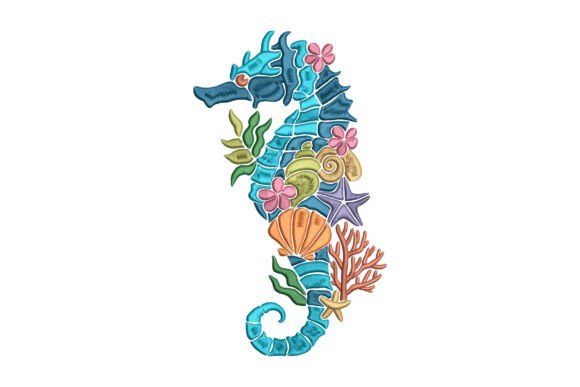
As an experienced embroidery designer preparing my booth for the upcoming weekend craft fair, I am constantly evaluating new digital assets to see if they translate well from a screen to a tangible handmade product. Today, I am reviewing the Floral Seahorse Embroidery design. This piece immediately caught my eye because it promises to be bold and detailed, catering specifically to wildlife lovers and those seeking statement pieces. With dimensions of approximately 4.01″ x 3.99″ and a stitch count nearing 20,195 stitches, this is not a tiny accent; it is a substantial design intended to command attention on a table display.
First Impressions: Bold Detail Meets Whimsical Charm
When I first opened the machine embroidery design file, the visual impact was immediate. The combination of a seahorse with floral elements creates a unique aesthetic that straddles the line between elegant nature art and playful whimsy. It does not feel rustic or farmhouse-style; instead, it leans towards a modern, decorative look that feels premium. For a craft fair environment where customers are scanning tables quickly, this design has the potential to stop a shopper in their tracks. The density of the stitches suggests a rich texture that will look luxurious under the bright lights of a market tent.
The description notes that this is perfect for statement embroidery projects, and I agree. At nearly four inches square, it provides enough surface area to show off the intricate details of the seahorse's tail and the surrounding flowers without becoming muddy. However, as a professional who knows how thread behaves on different fabrics, I approach high-stitch-count designs with a mix of excitement and caution. The goal is to ensure that the Floral Seahorse Embroidery maintains its clarity when moved from the computer screen to the hoop.
Evaluating Product Applications for Maximum Sales
To determine the best way to sell this embroidery file, I visualized it across various products I typically stock at my booth. Here is how the design performs on specific items:
- Tote Bags: A large canvas tote bag is an ideal candidate for this design. The 4-inch size allows the seahorse to sit prominently on the front panel. Because the design is bold, it works well as the focal point, turning a simple utility item into a fashion statement. The fabric texture of a heavy-duty cotton tote usually handles high stitch counts well, provided the right stabilizer is used.
- Tea Towels and Aprons: Kitchen linens are always a seller. Placing the Floral Seahorse Embroidery on a white or cream linen tea towel would highlight the vibrant thread colors. However, apron embroidery requires careful placement. Since the design is nearly 4 inches tall, it should be positioned on the bib of the apron rather than a pocket, which might be too small or distorted by folds.
- Embroidered Patches: Creating patches from this design is a smart strategy for variety. If the backing is cut away cleanly, these patches can be sold individually or attached to denim jackets and backpacks. The detail level makes them look like custom artisan work rather than mass-produced goods.
- Caps: While caps are popular, this specific design presents challenges. Curved cap surfaces can distort the symmetry of a complex design like a seahorse. Additionally, the density might cause puckering on the structured fabric of a hat unless the hoop size and tension are perfectly adjusted.
- Pillow Covers and Market Bags: These larger items provide ample space. A pillow cover featuring the Floral Seahorse Embroidery would appeal to home decor buyers looking for coastal or nautical themes. Similarly, reusable market bags benefit from the durability and visual pop of this commercial embroidery asset.
Production Realities: Stitch Density and Fabric Texture
While the design looks stunning digitally, the reality of production involves managing stitch density. With over 20,000 stitches in a relatively compact area, there is a risk of the design feeling stiff if the wrong stabilizer is chosen. For textured fabrics like terry cloth towels or thick canvas, I recommend using a tear-away or cut-away stabilizer that matches the weight of the material. Without proper support, the dense areas of the floral elements could pull on the fabric, ruining the drape of a finished product.
Another critical factor is the background color. The Floral Seahorse Embroidery likely relies on contrast to define its shapes. On dark fabrics, the design may require extensive underlay or a top layer of satin stitching to prevent the black or dark base fabric from showing through the gaps in the floral petals. As an Etsy seller or boutique maker, testing this on scrap fabric before committing to a batch is non-negotiable. You must verify that the design assets render clearly on your specific inventory materials.
Marketing and Visual Appeal for Online and In-Person Sales
In the context of a craft fair, visual appeal drives impulse buys. The Floral Seahorse Embroidery offers a distinct advantage because it combines two popular themes: marine life and florals. This crossover appeal broadens the target audience beyond just fish enthusiasts. When photographing these items for online listings or printable mockups, the intricate details need good lighting. A flat lay photo of a tote bag with this design will likely perform very well on social media, showcasing the craftsmanship involved.
For small shop product lines, consistency is key. This design fits well within a cohesive brand identity focused on nature-inspired luxury. It elevates the perceived value of the item, allowing sellers to charge a premium price point compared to simpler, lower-stitch-count designs. Customers perceive high stitch counts as higher quality, assuming more time and skill were invested in the creation.
Practical Designer Notes for Success
If you decide to incorporate the Floral Seahorse Embroidery into your business, follow these practical steps to ensure success:
- Test on Scrap Fabric: Never skip this step. Run a test on the exact fabric and stabilizer you plan to use. Check for puckering, thread breaks, or skipped stitches in the dense floral areas.
- Check Thread Contrast: Ensure the thread colors in the file stand out against your chosen fabric. Adjust the digitization or fabric choice if the contrast is low.
- Confirm Hoop Size: Verify that your machine hoop can accommodate the 4.01″ x 3.99″ dimensions comfortably. If you need to use a smaller hoop, the design may require resizing, which could affect the stitch quality.
- Review Spacing: When placing the design on garments, ensure there is enough room around the edges so the stitching does not get lost in seams or hems.
- Create Real Mockups: Do not rely solely on digital previews. Create one physical sample to show customers at the booth. Seeing the texture and depth in person often seals the sale.
- Verify Licensing: Before selling any finished product, confirm that your license for this digital embroidery file covers commercial use. Understand the terms regarding selling the physical items versus reselling the file itself.
Final Verdict for the Handmade Market
The Floral Seahorse Embroidery is a powerful tool for any creative entrepreneur looking to elevate their booth presence. Its boldness and detail make it a standout piece among typical craft fair offerings. Whether applied to a stylish tote bag, a chic apron, or a decorative pillow, this design has the potential to become a bestseller. By respecting the technical requirements of high-density stitching and choosing the right applications, you can turn this embroidery file into a profitable addition to your handmade collection. For those targeting the niche of nature-loving shoppers who appreciate quality craftsmanship, this design is a clear winner.