Native Embroidery Design, Western File Review
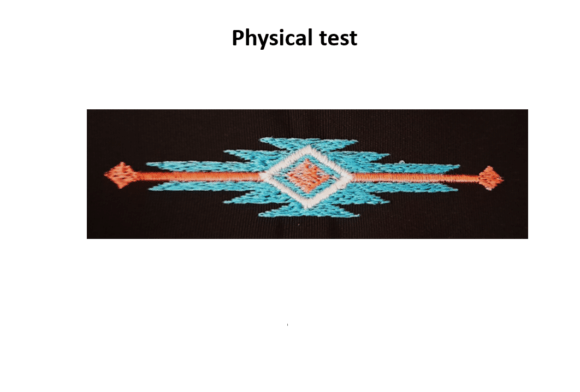
As a professional embroidery designer who has spent years perfecting the art of sweatshirt embroidery, I approach every new digital asset with a critical eye. Today, I am reviewing the Native Embroidery Design, Western File, a machine embroidery design that promises to bring bold, geometric flair to apparel projects. This specific piece is categorized under the Southwest Tribal Diamond motif, and it immediately catches the attention of anyone looking to elevate their small shop product line. For boutique brands and Etsy sellers aiming to create a cohesive collection, understanding how this design translates from a digital file to a physical garment is essential.
First Impressions: Mood and Geometric Flair
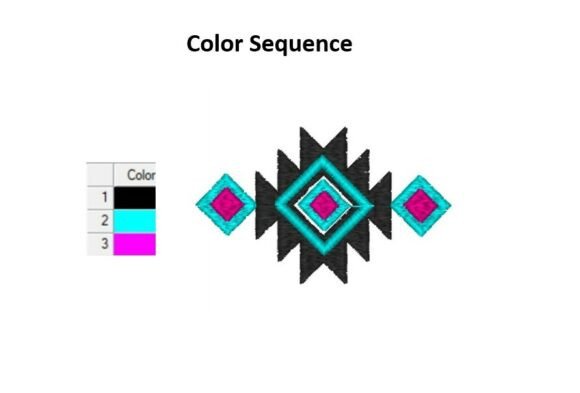
When I first loaded the Native Embroidery Design, Western File into my digitizing software, the layout spoke volumes about its intended use. The description highlights a striking combination of black and turquoise threads, which instantly evokes the rustic yet vibrant aesthetic of the American Southwest. This is not a delicate, floral lace pattern; it is a statement piece designed for impact. The geometric diamond shape provides a structured foundation that feels both modern and timeless.
The mood of the design is undeniably bold and decorative. It carries a sense of heritage without feeling cliché. For a custom apparel business, this type of embroidery file offers a unique opportunity to tap into the current trend of western-inspired fashion while maintaining a premium feel. The clean lines of the tribal diamond suggest that the stitch density will be manageable, allowing the design to sit well on various fabric textures without creating excessive bulk.
Evaluating Fabric Pairings and Color Contrast
One of the most critical aspects of any commercial embroidery project is how the thread colors interact with the base fabric. The Native Embroidery Design, Western File features a limited palette of three colors, which is a significant advantage for production efficiency. However, as a designer, I must consider how these colors perform on different sweatshirt bases.
- Neutral Sweatshirts: On heather grey or oatmeal-colored fleece, the black outlines of the diamond will provide excellent definition, while the turquoise accents will pop beautifully. This combination creates a sophisticated, high-end look suitable for a boutique brand.
- Dark Fabric: If applied to a charcoal or navy hoodie, the black elements may blend in too much unless the digitization includes strategic underlays. The turquoise will remain visible, but the overall contrast might be lower, giving the design a more subtle, tonal appearance.
- Pastel Colors: Placing this bold geometric design on pastel pink or sage green sweatshirts creates a playful and feminine vibe. The stark black lines act as a grounding element, preventing the pastel background from washing out the intricate details.
For an Etsy seller preparing a seasonal drop, this versatility is key. Whether you are targeting a rugged outdoor market or a trendy urban audience, the Native Embroidery Design, Western File adapts well to the chosen canvas. Just remember to check the specific thread color codes before purchasing your spools to ensure they match the intended vibrancy.
Placement Strategies for Hoodies and Sweatshirts
The geometry of the Southwest Tribal Diamond makes it incredibly versatile regarding placement. In my experience, the way a design is positioned can completely alter the perception of the finished product.
Chest Placement for Branding
Placing the Native Embroidery Design, Western File on the left chest area of a hoodie creates an instant logo effect. This is ideal for small clothing brands wanting to establish visual recognition. The compact nature of the diamond shape ensures it does not overwhelm the wearer, making it perfect for everyday wear. It signals quality and attention to detail, boosting buyer trust in your handmade product.
Sleeve Accents and Back Designs
For those looking to make a bolder statement, scaling up the design for the back of an oversized sweatshirt is a powerful option. The geometric lines of the tribal diamond can be enlarged to span the shoulder blades, turning a simple garment into a centerpiece. Alternatively, using the design as a sleeve accent adds a touch of sophistication without being overpowering. This approach works exceptionally well for lifestyle product photography, where the details of the stitching can be highlighted in close-up shots.
Technical Considerations for Commercial Use
Before committing to a full production run, there are several technical factors to evaluate regarding the Native Embroidery Design, Western File. As a professional, I always prioritize the longevity and durability of the embroidery.
Stitch Density and Stabilizer Choice: Since this design features geometric shapes, the stitch density needs to be balanced. Too dense, and the thick fleece of a sweatshirt may pucker; too loose, and the fabric may show through. I recommend using a heavy-duty tear-away or cut-away stabilizer specifically designed for knits. This ensures the hoodie design remains flat and smooth after multiple washes.
Hoop Size and Readability: While the design is visually striking, you must verify the recommended hoop size before starting. Small details in tribal patterns can sometimes get lost if the design is scaled down too aggressively. Ensure that the diamond segments remain distinct and readable even when placed on smaller garments like children's hoodies or fitted crewnecks.
Fabric Texture and Washing Durability: Sweatshirts have a looped texture that can affect how stitches lay. The Native Embroidery Design, Western File should hold up well due to its structural nature, but testing a sample is non-negotiable. Wash the sample garment according to your care instructions to ensure the threads do not fade or fray. A premium sweatshirt collection relies on the promise that the embroidery will last as long as the garment itself.
Boosting Product Value and Brand Identity
In the competitive world of digital sellers and creative entrepreneurs, the choice of design assets directly impacts your bottom line. The Native Embroidery Design, Western File offers a distinct aesthetic that can differentiate your brand from generic competitors. By using a design with such strong cultural roots and geometric precision, you signal to your customers that you value craftsmanship and style.
This design elevates the perceived value of your custom apparel. A plain sweatshirt sells for one price, but a sweatshirt adorned with a professionally executed, culturally inspired diamond motif commands a higher price point. It transforms a basic commodity into a collectible item. For a small shop product line, this increase in perceived value can significantly improve profit margins.
Furthermore, incorporating this design into your digital embroidery file library allows for consistent branding across various items. From tote bags to beanies, the Southwest Tribal Diamond motif can become a signature element of your brand identity. When customers see this specific pattern, they should immediately associate it with your boutique.
Final Verdict for Boutique Creators
The Native Embroidery Design, Western File is a robust and versatile asset for any serious embroidery enthusiast or business owner. Its bold, geometric flair makes it an excellent choice for sweatshirt embroidery projects that aim to stand out in a crowded marketplace. Whether you are creating a limited edition drop for your online shop or fulfilling custom orders for clients, this design delivers the visual impact necessary to engage customers.
However, success lies in the execution. Pay close attention to your stabilizer selection, thread tension, and placement strategy. Always review the specific file details, such as stitch count and recommended hoop sizes, before beginning production. With the right preparation, this machine embroidery design will serve as a cornerstone for a successful, high-quality apparel collection. It is a testament to how a well-chosen digital asset can transform a simple piece of clothing into a work of wearable art.