Teapot and Cup Machine Embroidery Review
As a professional embroidery designer who has spent years navigating the digital landscape for machine embroidery design assets, I approach every new download with a critical eye. The market is flooded with generic patterns, but finding a Creative Fabrica embroidery file that truly elevates a handmade product requires careful vetting. Recently, I evaluated the Teapot and Cup Machine Embroidery design to determine if it holds up under the pressure of real-world commercial projects. This review breaks down my experience testing this specific asset for potential use in custom apparel, home decor, and boutique merchandise.
First Impressions: A Charming Kitchen Aesthetic
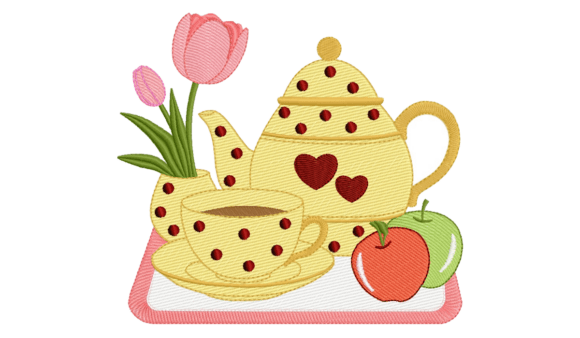
Upon opening the preview of the Teapot and Cup Machine Embroidery file, the visual mood immediately struck me as warm and inviting. The composition features a classic tea set paired with tulips and apples on a tray, creating a cohesive still-life scene. For designers targeting the kitchen niche, this level of thematic consistency is vital. Unlike disjointed designs where elements feel pasted together, this arrangement suggests a natural narrative perfect for aprons, tablecloths, or kitchen towels.
The detail level appears robust without being overly cluttered. In embroidery, too much detail can lead to registration issues or thread breakage, but this design seems to balance decorative appeal with stitch efficiency. The inclusion of botanical elements like tulips adds a touch of softness that contrasts beautifully with the structured shapes of the teapot and cup. This makes it an excellent candidate for personalized gift items where a touch of elegance is required.
Performance in Real-World Embroidery Projects
When moving from screen to machine, the true test of any digital embroidery file begins. I considered how the Teapot and Cup Machine Embroidery would perform across various substrates. For custom apparel, such as sweatshirts or tote bags, the design offers enough visual weight to stand out against textured fabrics. However, the intricate nature of the tulips and fruit means that stitch density must be carefully managed to prevent puckering on stretchy materials.
I also evaluated its suitability for home textiles. On a linen kitchen towel or a cotton pillow cover, the design’s traditional aesthetic shines. The mix of what appears to be satin stitch for outlines and fill stitch for larger areas creates depth. If you are planning to sell these as commercial embroidery products on Etsy or at craft fairs, the finished look conveys a sense of high-quality craftsmanship that buyers trust.
For those interested in creating an embroidered patch, this design could work well if stabilized correctly. The defined edges of the teapot and tray provide clear boundaries for cutting. However, if you plan to use this on a curved surface like a cap, you will need to assess the hoop size requirements carefully. Curved surfaces often distort detailed imagery, so a test run is essential before committing to a full production run.
Practical Considerations for Designers
While the visual appeal is strong, practical execution is where many designers stumble. Here are the key factors to consider when working with the Teapot and Cup Machine Embroidery:
- Fabric Selection: This design works best on stable, woven fabrics. Avoid highly elastic knits unless you use heavy-duty stabilizer. Dark fabrics may require a layer of cutaway stabilizer to ensure the lighter thread colors pop without showing through.
- Hoop Size Verification: Always confirm the dimensions of the design against your machine's hoop. If the design spans a large area, you may need a multi-step hooping process or a larger hoop, which can impact production time.
- Stitch Density Check: Inspect the file details for dense fill areas. Overly dense stitching on delicate fabrics like baby blankets or light napkins can cause shrinkage or fabric distortion.
- Color Palette: While the design includes specific color placements, do not hesitate to adjust thread colors to match your brand identity or seasonal trends. A monochromatic version could look stunning on a modern tote bag.
Enhancing Product Value and Brand Consistency
Using a high-quality asset like the Teapot and Cup Machine Embroidery can significantly impact the perceived value of your finished product. In the competitive world of handmade goods, customers pay attention to the intricacy of the stitching. A well-executed design signals professionalism and care, which builds buyer trust.
For small business owners and Etsy sellers, maintaining brand consistency is crucial. This design fits seamlessly into a "cozy kitchen" or "rustic chic" brand theme. By incorporating it into a line of matching items—such as a set of towels, an apron, and a placemat—you create a collection that encourages higher average order values. Furthermore, the photogenic nature of the design makes it ideal for printable mockup creation and social media marketing. High-resolution photos of the embroidered tea set can drive customer engagement and showcase the versatility of your design assets.
Licensing and Commercial Use Guidelines
Before integrating the Teapot and Cup Machine Embroidery into your business workflow, it is imperative to review the licensing terms on the Creative Fabrica product page. As a seller of handmade product lines, you must ensure your license covers the volume of items you intend to produce. Some licenses allow for unlimited physical sales, while others have restrictions on digital resale or mass production.
Never assume the license covers all uses. If you plan to offer this as part of a kit or sell the embroidery file itself, you will likely need a different tier of permission. Always double-check the specifics regarding commercial embroidery rights to avoid legal complications down the road.
Final Verdict: Is It Worth the Download?
After thoroughly evaluating the Teapot and Cup Machine Embroidery design, I believe it is a valuable addition to any serious embroiderer's library. Its charming aesthetic, balanced detail, and versatility make it suitable for a wide range of applications, from sweatshirt embroidery to delicate nursery decor. While it requires attention to stabilizer choice and fabric type, the potential for creating beautiful, high-value items is evident.
If you are looking to expand your catalog with timeless, nature-inspired motifs that appeal to home decor enthusiasts, this design is worth considering. Just remember to always test on scrap fabric first, verify your hoop size compatibility, and respect the licensing terms. With proper execution, the Teapot and Cup Machine Embroidery can become a standout piece in your next collection.